Table of Contents
- 1.What hard water and limescale are
- 2.Is limescale a health problem?
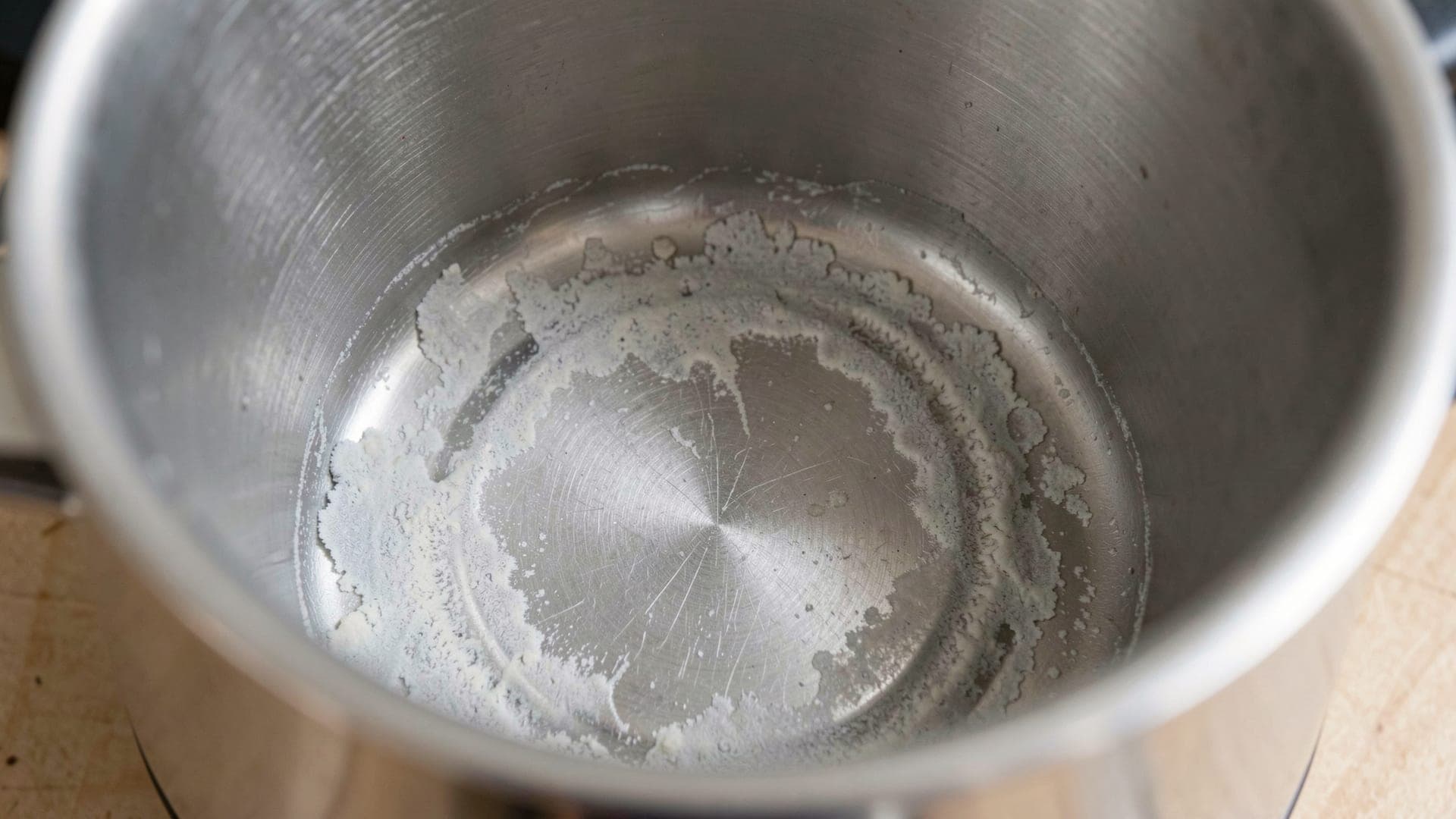
- 3.What scale does to the things you heat water in
- 4.How to tell if your water is hard
- 5.How to clean a kettle safely
- 6.Geysers and dispensers: follow the manual
- 7.What about the water you drink?
- 8.The bottom line
- 9.Frequently asked questions
- 10.Comments & Discussion
Lift the lid of a kettle that has been in a Lahore kitchen for a year and there is a good chance you will find a pale, gritty crust on the bottom. The tap has white spots that return the day after you wipe them. The geyser seems slower to heat than it used to be. None of this means the water is dirty. It usually means the water is hard: it carries a lot of dissolved calcium and magnesium, and heat turns those minerals into scale. Here is what that does, what it does not do, and how to deal with it.
What hard water and limescale are
Water picks up minerals as it moves through the ground. Water with a lot of dissolved calcium and magnesium is called hard, and water with little is called soft. Much of Lahore's household water is drawn from groundwater, and how hard it is can change from one neighbourhood to the next, so a friend's kettle in another area is not a guide to yours.
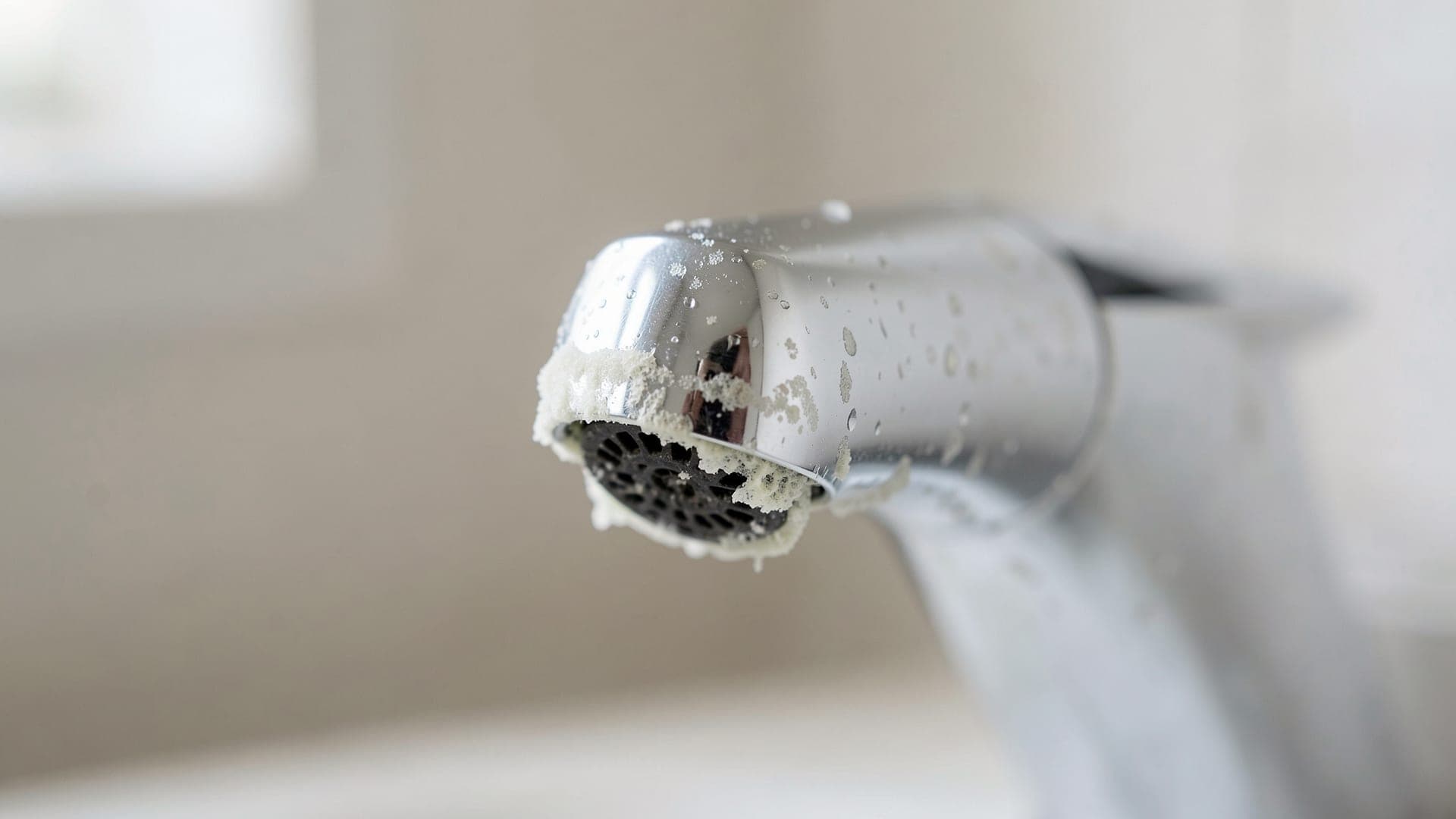
When hard water is heated, or when it evaporates, some of the dissolved minerals settle out as a solid. That solid is limescale, mostly calcium carbonate. It is the white ring in the kettle, the crust around the tap and the cloudy film on a glass that has dried.
Is limescale a health problem?
In general, no. The minerals that make water hard are calcium and magnesium, which the body uses, and the World Health Organization has not set a health-based limit for hardness in drinking water. A bit of scale that flakes into a cup of tea is not a poison; it is chalky and unpleasant, and you can strain it out.
That is separate from other things that can be in water. Hardness says nothing about bacteria, and it says nothing about harmful chemicals present in small amounts. If you are worried about the safety of your water, the answer is a laboratory report, not the look of your kettle. Our post on TDS and pH explains why.
What scale does to the things you heat water in
The real cost of hard water is paid by appliances, and it adds up slowly enough that most people never connect it to the water.
- Kettles: a crust on the heating element or the base insulates it, so the kettle takes longer to boil and uses more electricity or gas for the same cup. Thick scale can make an element fail earlier.
- Geysers and water heaters: scale collects on the heating element and at the bottom of the tank. The heater works harder, heats more slowly and can wear out sooner, and the tank can start to make popping or rumbling noises as water boils underneath the scale.
- Hot taps and aerators: the fine holes block, so the flow becomes weak or sprays sideways.
- Dispensers with a hot tank: the hot water reservoir is a small heated tank, and it scales the same way a kettle does. A hot tap that has slowed down, or water that comes out less hot, can be a sign.
- Glass and steel: dried water leaves spots and a film that wipes off easily at first and then becomes harder to shift.
How to tell if your water is hard
- A white crust in the kettle within a few weeks of cleaning it.
- Soap that lathers poorly and leaves a film, and a stiff feeling after washing.
- White spots on taps, glass and steel that return quickly.
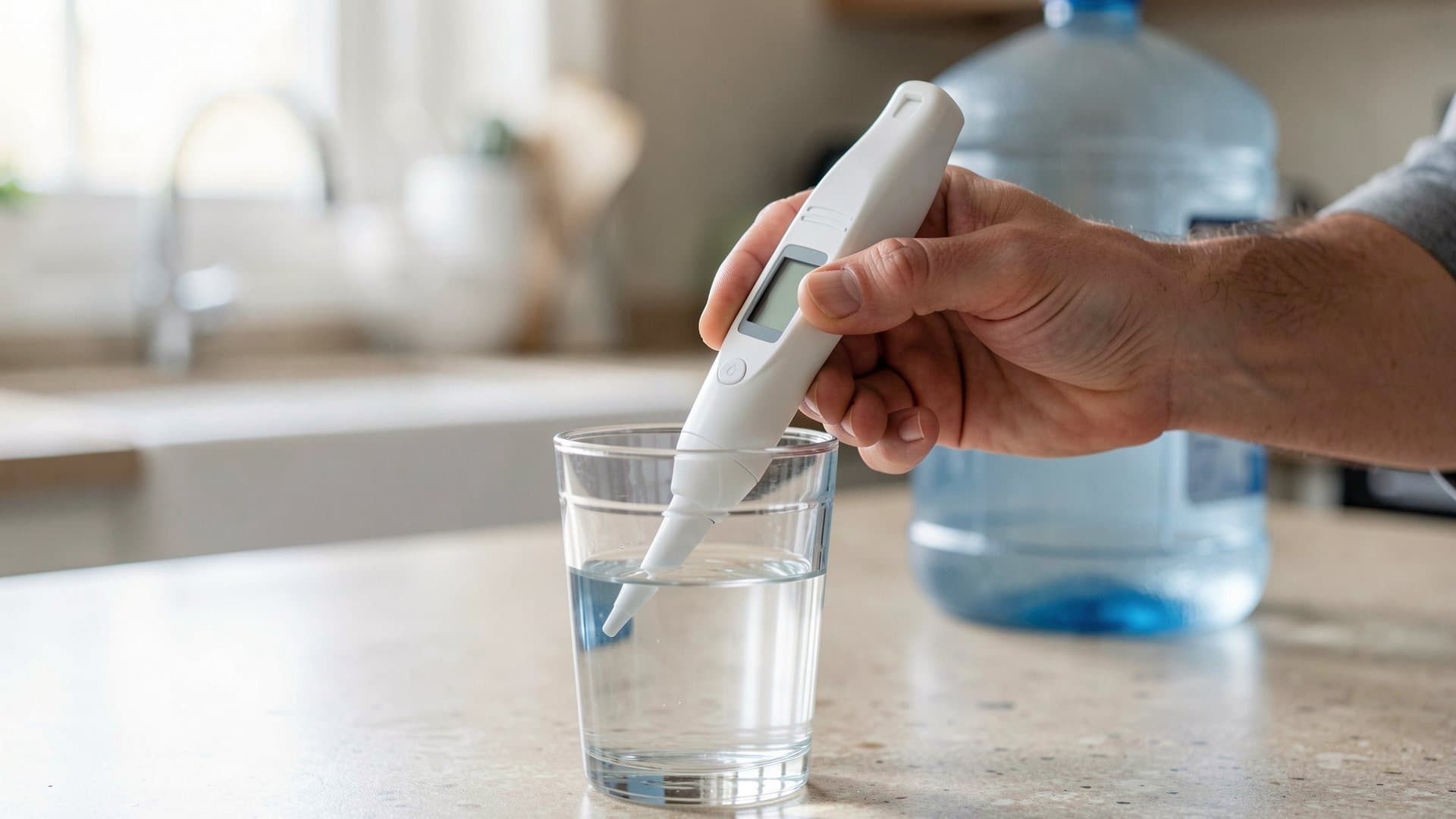
- A TDS pen reading in the high hundreds. The pen measures dissolved solids in total, so it is only a hint. It cannot say how much of that is calcium and magnesium.
For a proper answer, a laboratory test reports hardness directly, in milligrams per litre as calcium carbonate. That is the number to ask for if you are choosing a softener or a filter.
How to clean a kettle safely
Descaling is cheap and takes about half an hour. The same method works for a steel pot or a jug.
- Fill the kettle about halfway with water and add a few tablespoons of white vinegar or a spoonful of citric acid, which most grocery shops sell.
- Bring it to a boil, switch off, and leave it for 20 to 30 minutes while the scale loosens.
- Pour it out and wipe the inside with a soft cloth or sponge. A stubborn patch can be left to soak a little longer.
- Rinse well, then boil a full kettle of fresh water and throw it away. Do this once more if there is any smell of vinegar.
- Never use a scouring pad or a metal brush on the heating element.
Never mix vinegar with bleach or other cleaning products, and never put either into a hot water tank or a dispenser without checking its manual first.
Geysers and dispensers: follow the manual
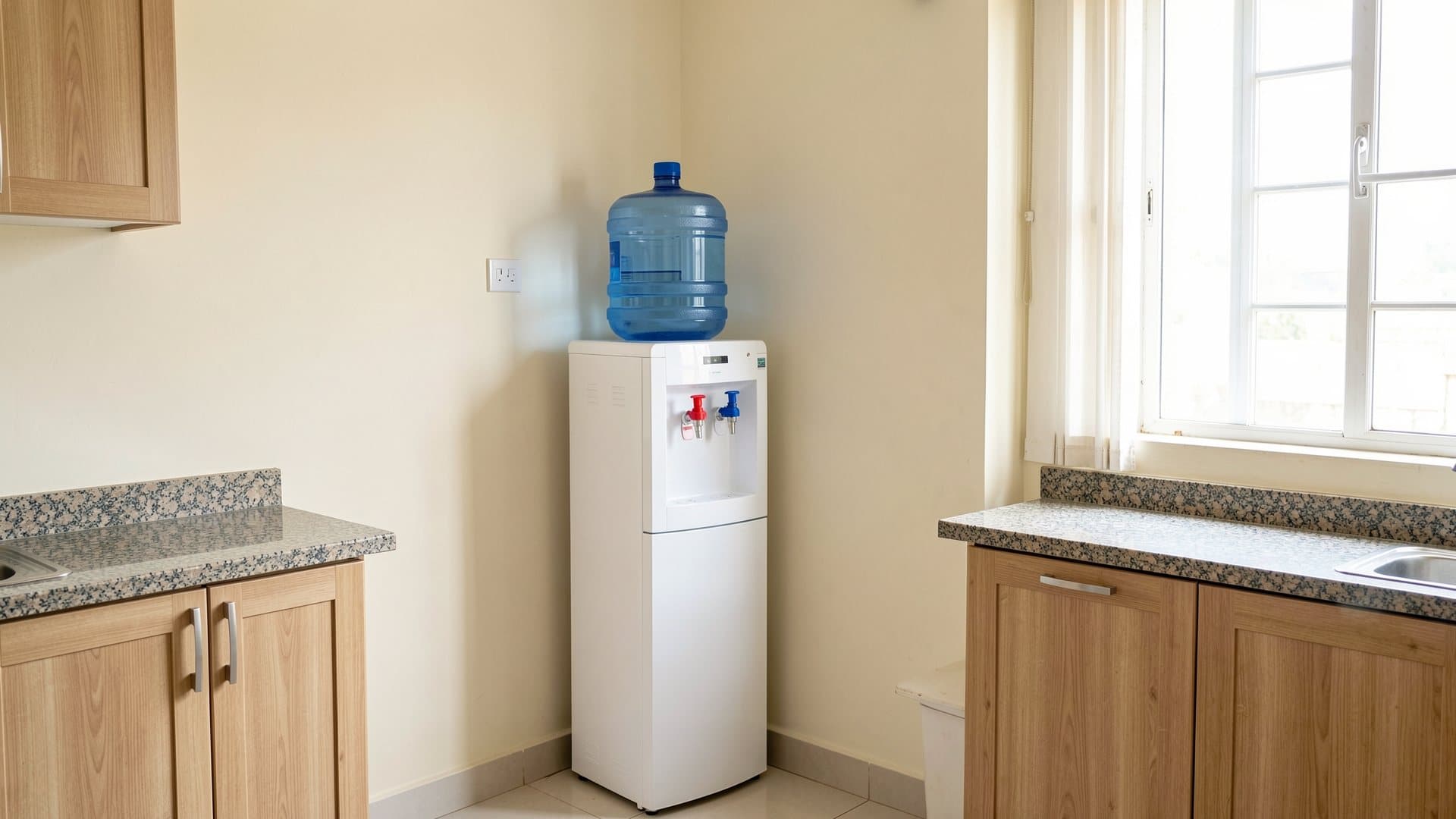
A kettle is easy to open and rinse. A geyser or a dispenser's hot tank is not, and the safest advice is the plainest: read the maker's manual, and if it asks for a technician, call one. For a geyser, that usually means a service every so often in hard water areas, and draining the tank as the manual describes. For a dispenser, our guide to keeping one clean covers the parts you can do yourself at home, such as the drip tray, the taps and the outside of the bottle neck.
What about the water you drink?
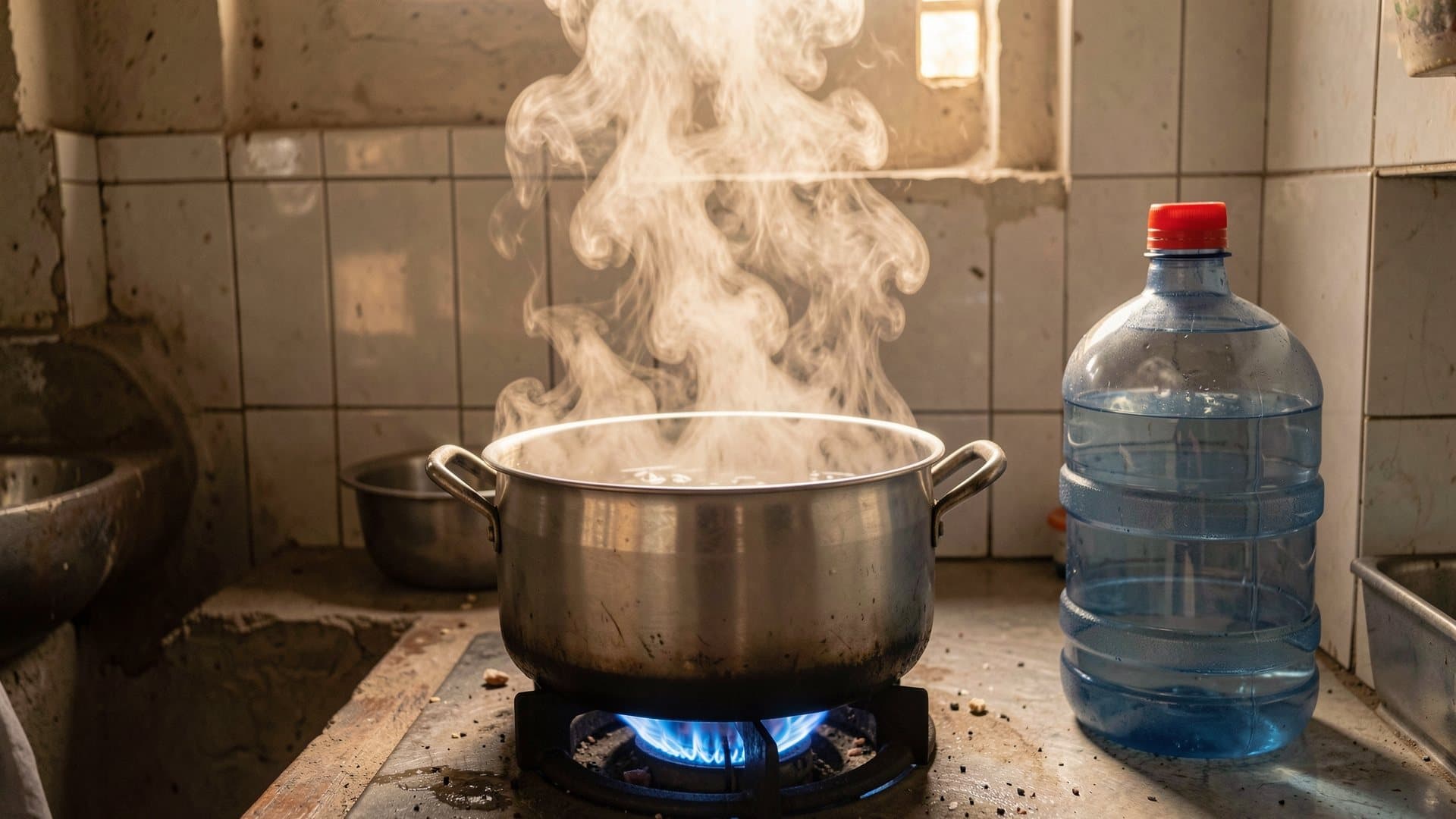
Water with fewer dissolved minerals leaves less scale, which is one reason people who switch to treated, bottled water often find their kettles stay cleaner for longer. It does not mean bottled water leaves none: any water that contains minerals will leave some scale if you boil enough of it. The aim is less, not never.
It also does not mean low-mineral water is the same as safe water. If you switch for the sake of your appliances, choose a supplier you can check: a licence number, a certificate number and a batch date on the bottle.
The bottom line
Limescale is a sign of mineral-rich water, not of danger. Treat it as a maintenance problem: descale the kettle every month or two, check the taps and the hot water appliances, and follow the manual for the rest. If your concern is what is in the water rather than what it leaves behind, ask for a laboratory report.
Frequently asked questions
- What is limescale?
- Limescale is the white or grey crust left when water containing dissolved calcium and magnesium is heated or dries. It is mostly calcium carbonate.
- Is hard water bad for your health?
- Hardness is generally not considered a health risk, and the World Health Organization has not set a health-based limit for it. It does not tell you whether water is free of bacteria or harmful chemicals, so it is not a measure of safety.
- How do I remove limescale from a kettle?
- Boil water with a few tablespoons of white vinegar or a spoonful of citric acid, leave it for 20 to 30 minutes, then wipe, rinse well and boil and discard a full kettle of fresh water before using it.
- Does limescale damage a geyser or water heater?
- It can. Scale on the heating element and the bottom of the tank makes the heater work harder and heat more slowly and can shorten its life. Follow the maker's manual for servicing and ask a technician for anything inside the tank.
- Does a high TDS reading mean my water is hard?
- Not necessarily. TDS measures all dissolved solids together, so a high reading suggests scale is likely but cannot say how much is calcium and magnesium. A laboratory test reports hardness directly.
Aabdar
Team
Lahore's bottled drinking water delivery service — founded 2026, PSQCA-certified, serving 5,000+ homes and offices across 12 areas of the city.
Comments & Discussion