Table of Contents
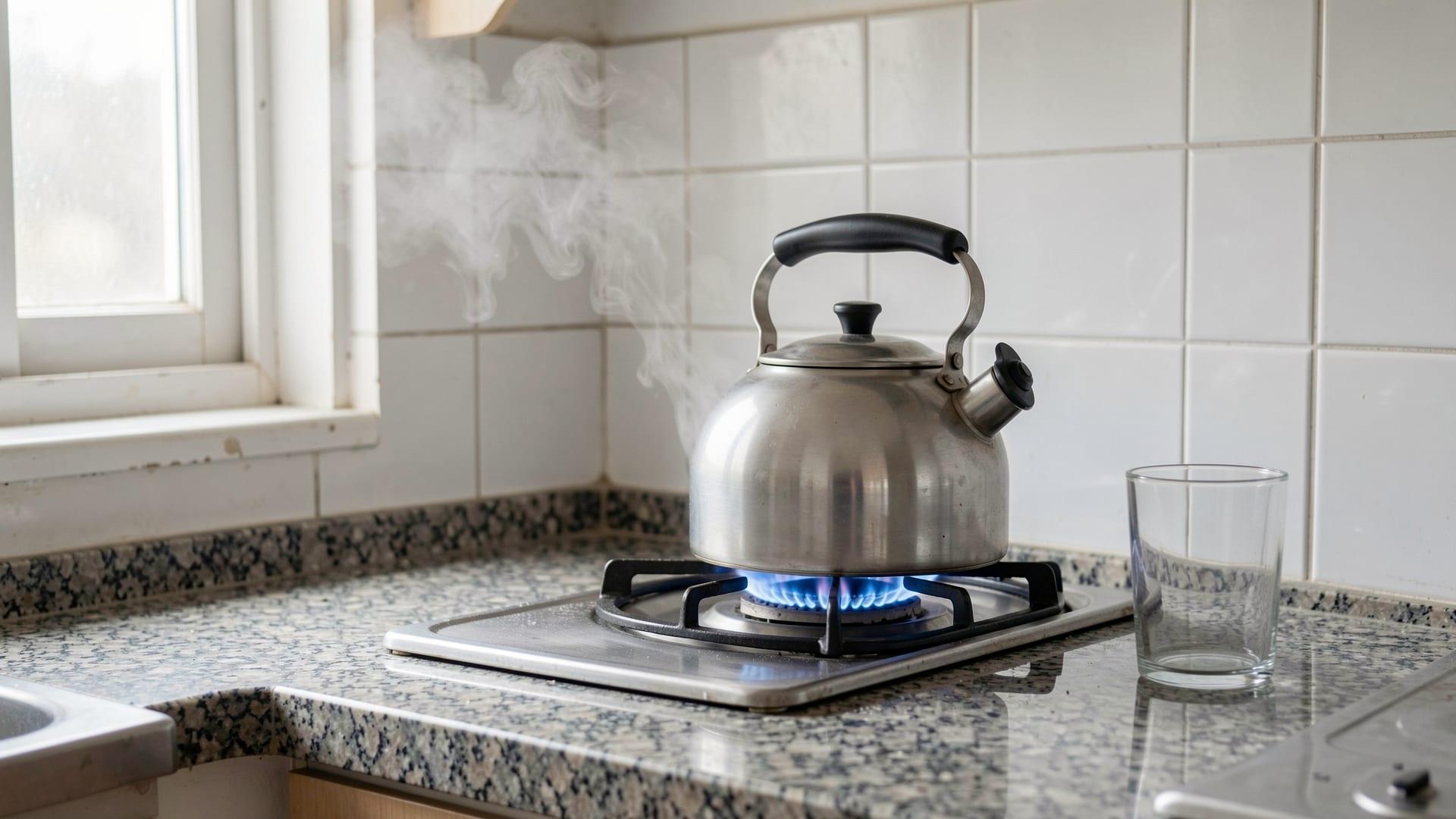
On a December morning in Lahore, the cold tap is very cold and the geyser tap is wonderfully warm. So the kettle gets filled from the geyser to save a few minutes, the rice goes on with warm water from the bathroom line, and someone mixes a cup of tea straight from the hot tap. It feels harmless, because the water is hot. It is not a good habit, and this post explains why, and what to do instead.
Where geyser water comes from
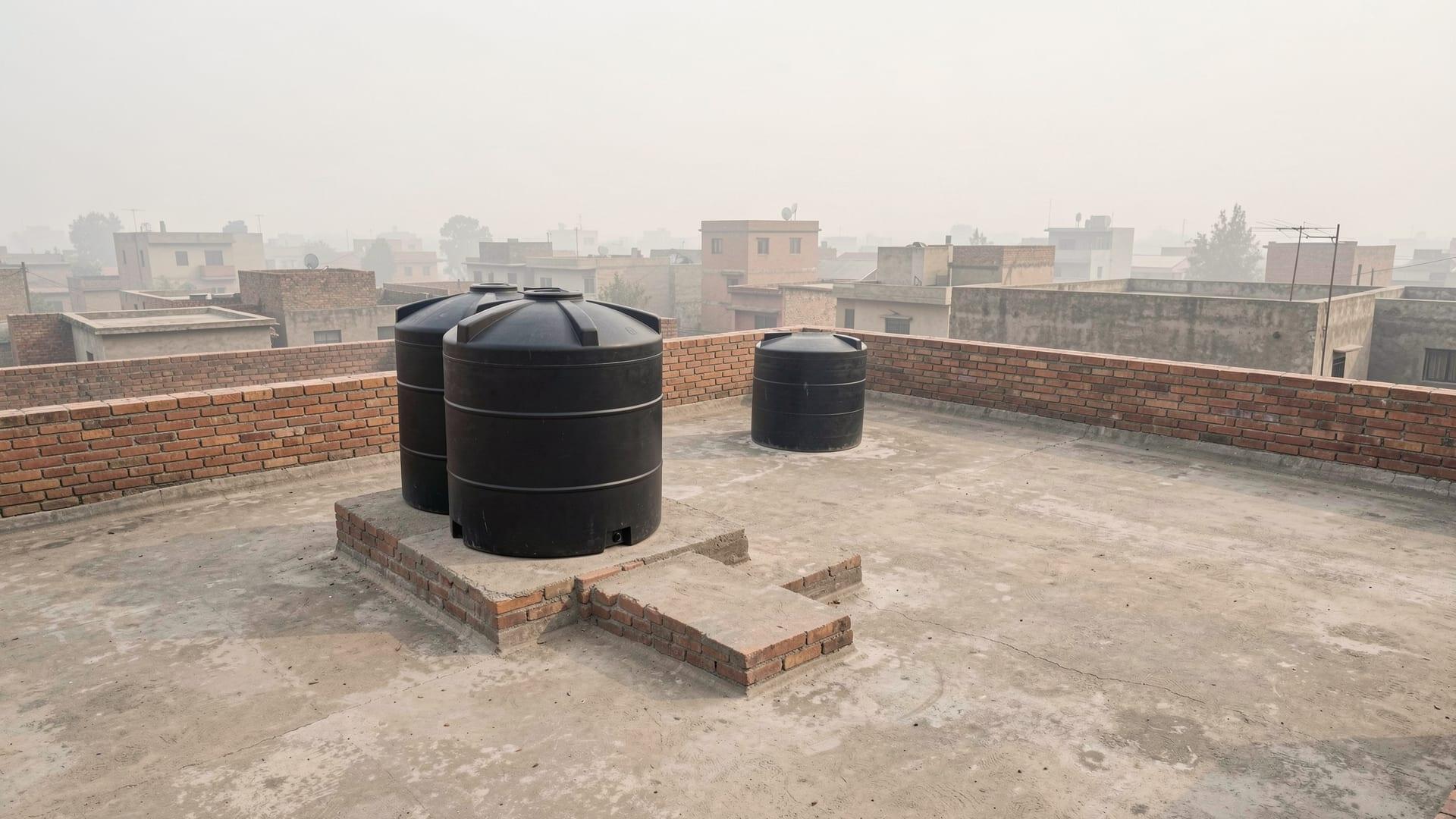
In many homes, water from the supply line or a bore is pumped into a tank on the roof or under the ground, and the taps and the geyser are fed from that tank. A geyser is itself a tank: it heats the water and keeps it warm for hours until someone opens a tap. So the warm water in your bathroom has usually spent time in at least two tanks before it reaches you.
Neither of those tanks is designed to keep water fit to drink. A rooftop tank collects dust, can be reached by insects and birds if its lid is not tight, and warms and cools with the weather. Our post on dengue season covers how to keep a tank covered, and our guide to tap, boiled, filtered and bottled water explains why tap water in Lahore is best not drunk straight.
Why you should not drink or cook with it
- Hot is not the same as boiled. A geyser warms water; it does not bring it to a rolling boil, so it cannot be relied on to kill germs.
- Sediment and scale settle in the geyser. Grit from the supply and the tank, and limescale from hard water, collect at the bottom of the geyser's tank and can come out with the water.
- Hot water picks up more from what it touches. Warm water standing in metal pipes, fittings and a tank can pick up more from them than cold water does. That is why general public health advice, in many countries, is to use cold water, not hot tap water, for drinking, cooking and making up baby feeds.
- It has been standing. Warm water that sits in a tank and pipes for hours is not fresh water, whatever it looked like when it went in.
Geyser water is fine for what it is meant for: bathing, washing your hands and face, and washing up. The rule is only about what goes into your body.
What counts as cooking water
Anything you swallow: tea and coffee, rice, daal, soups and salan, the water you knead into dough, and the last rinse of fruit and salad that will be eaten raw. Cooking with geyser water to save gas or time means drinking it, a little later and in a different form.
How to warm drinking water safely
- Start from your drinking water: bottled water, or tap water that you have treated properly. Pour it from the dispenser or the bottle into a clean kettle or pan.
- Heat it on the stove or in an electric kettle. If you are relying on boiling to make water safe, bring it to a full rolling boil.
- Let it cool until it is comfortable to sip. Warm water that is easy to drink is the goal, not water hot enough to scald.
- Use fresh water each time rather than reboiling what was left in the kettle yesterday.
- If your dispenser has a hot tap, that water is your bottled water, heated in the dispenser. It is handy for tea. Keep the dispenser clean as the maker's manual describes.
- For a baby's feeds, follow the steps in our guide to water for babies and formula, not the shortcuts.
A note on limescale
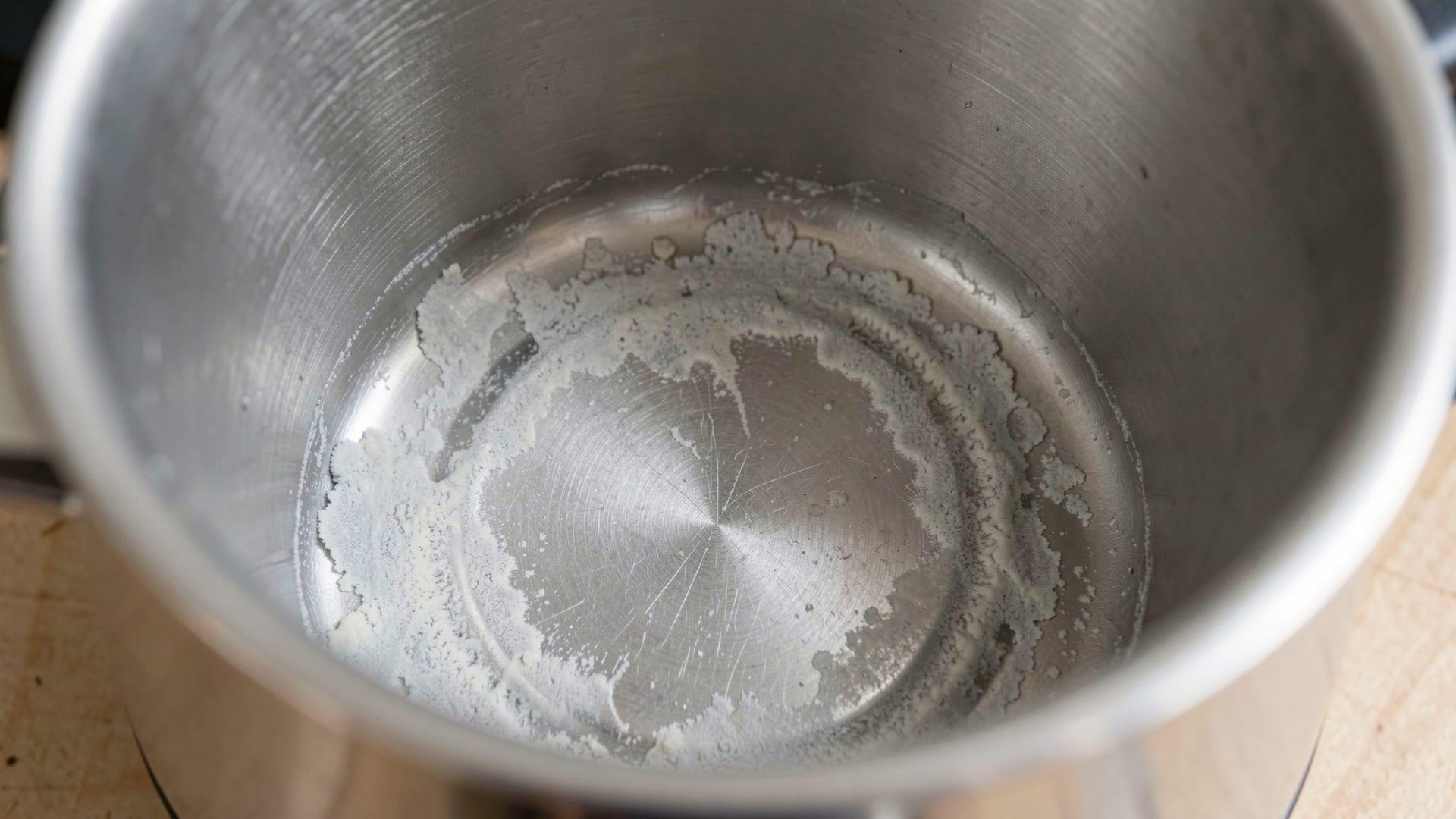
If you heat a lot of water in winter, you may notice a pale, chalky crust building up inside the kettle and a slower, noisier geyser. That is limescale, left behind when hard water is heated. It is generally a nuisance rather than a health problem, but it makes kettles and geysers work harder. Our post on hard water and limescale explains what it is, how to clean a kettle safely with vinegar or citric acid, and why geysers are best left to the maker's manual or a technician.
Hot water from the geyser is for washing. Water you drink or cook with should start out as drinking water, and then be heated.
The bottom line
Keep two kinds of water apart in your head. Geyser and tank water is for bathing and washing. Drinking water is for drinking and cooking, and if you want it warm, heat that water in a clean kettle and let it cool to a comfortable sip.
Frequently asked questions
- Is it safe to drink water from a geyser?
- It is not a good idea. Geyser water has usually been stored in a rooftop or underground tank and then in the geyser itself, it is only warmed, not boiled, and sediment and scale collect in the geyser. Use it for bathing and washing, not for drinking.
- Can I cook with hot water from the geyser to save time?
- It is better not to. General public health advice is to use cold drinking water for cooking, because hot tap water can pick up more from pipes, fittings and tanks. Heat your drinking water in a pan or kettle instead.
- Does hot water from the geyser kill germs?
- You cannot rely on it to. A geyser warms water but does not bring it to a rolling boil, and the water may have been standing in tanks and pipes for hours.
- How should I warm drinking water in winter?
- Pour drinking water, bottled or properly treated, into a clean kettle or pan and heat it. If you are relying on boiling for safety, bring it to a full rolling boil, then let it cool until it is comfortable to sip.
- What is the white crust inside my kettle?
- Limescale, the minerals left behind when hard water is heated. It is generally harmless but makes appliances work harder. White vinegar or citric acid removes it from a kettle; rinse well and boil fresh water once before use.
Aabdar
Team
Lahore's bottled drinking water delivery service — founded 2026, PSQCA-certified, serving 5,000+ homes and offices across 12 areas of the city.
Comments & Discussion