
Table of Contents
- 1.Why babies need more care with water
- 2.Boil the water, even if it is bottled or filtered
- 3.Why hot, and why powdered formula is not sterile
- 4.A simple routine
- 5.What to check on the bottled water you use
- 6.Does my baby need extra water?
- 7.When to see a doctor
- 8.The bottom line
- 9.Frequently asked questions
- 10.Comments & Discussion
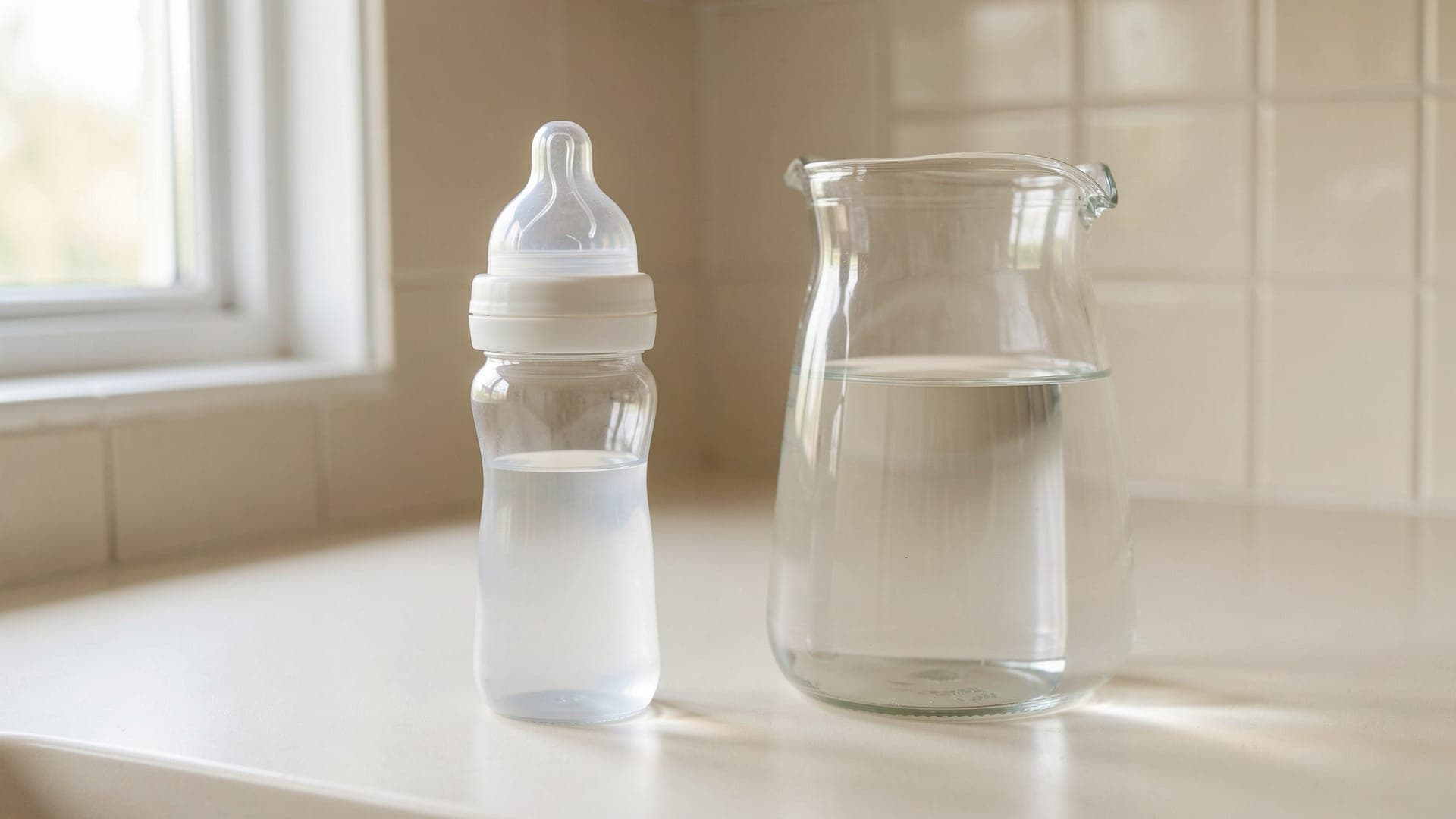
Parents who buy bottled water for the house often ask one more question than other customers: is this water safe for the baby's formula? It is a sensible question, and the answer is not simply yes or no. A baby's gut and immune system are still developing, so an amount of germs that an adult would not notice can make a small baby ill. That is why the guidance for formula is stricter than for the family's drinking water. This post sets out the widely recommended steps, and where to ask your doctor for the rest.
A note before we begin. This is general information, not medical advice. If your baby was born early, is unwell, or has a health condition, or if your doctor or the formula tin says something different, follow that.
Why babies need more care with water
Adults and older children can handle small numbers of the bacteria that are present in many kitchens, including some that are found in water that has not been boiled. Young babies have far less defence, and a stomach upset can dehydrate them quickly. That is why the advice from health organisations is to treat water for a young baby as something to be made safe at home, whatever its source.
Boil the water, even if it is bottled or filtered
Bottled drinking water, filtered water and RO water are all meant to be fine for a family to drink. None of them is described as sterile, and a bottle that has been opened can pick up germs from the air, the neck of the bottle or a dispenser. Whatever the baby's age, the usual advice is to boil water for powdered formula first.
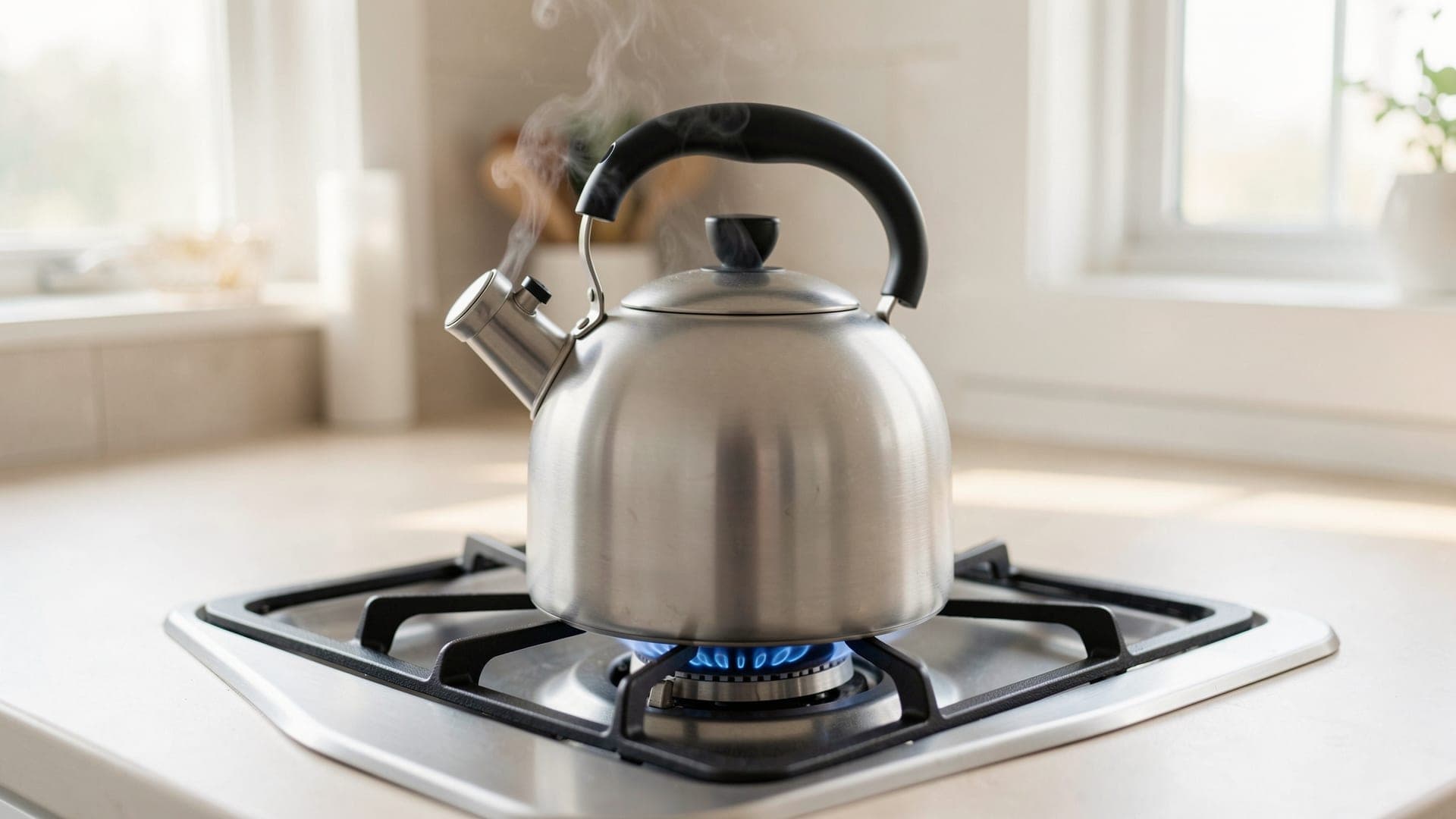
- Use fresh water every time. Do not reboil water that has been boiled and cooled earlier.
- Bring it to a full boil, then switch off the heat.
- Do not let it cool for long. Most health guidance, including the WHO's, says to leave it for no more than about 30 minutes, so that it is still at or above 70 degrees Celsius when it meets the powder.
Why hot, and why powdered formula is not sterile
Powdered infant formula is not a sterile product. It is made to be safe to feed, but it can occasionally contain bacteria such as Cronobacter. Mixing it with water that is hot enough, at 70 degrees Celsius or above, is the step that health bodies recommend to kill them. After that you cool the bottle quickly under running cold water or in a bowl of cold water, rather than leaving it to cool on the counter.
A simple routine
- Wash your hands and clean the surface you are using.
- Wash the bottle, teat and cap in hot soapy water with a brush, and sterilise them as your doctor or the product advises, especially in the first months.
- Boil fresh water and let it stand no more than about 30 minutes.
- Pour the water into the bottle first, then add the powder as the tin says. Measure level scoops. Adding extra powder or too little water is unsafe for a baby.
- Cover and swirl, then cool the bottle under cold running water.
- Test a few drops on the inside of your wrist. It should feel warm or lukewarm, not hot.
- Throw away any feed left in the bottle after the baby has finished. Do not save it for the next feed, and follow the time limit on your formula tin for how long a made-up feed may stand.
What to check on the bottled water you use
- The seal and the date. Use water from a bottle whose seal was unbroken when you opened it, and use an opened bottle promptly rather than leaving it for days.
- The supplier. A licence number and a certificate number you can check are worth more than a clean-looking label. Our certifications page shows how we do it.
- The mineral content. Some bottled waters are high in sodium or other minerals. If you are unsure, show the label to your paediatrician.
- The dispenser. Water from a dirty dispenser is not made safe by being bottled. Clean it regularly, and boil the water you take from it for formula.
Does my baby need extra water?
In the first six months, breast milk or formula usually gives a baby all the fluid they need, including in hot weather, and extra water is not normally advised. From around six months, when solid food starts, many doctors suggest small sips of cooled boiled water with meals. Because your baby's exact needs depend on their age, health and feeding, ask your paediatrician what is right for yours.
When to see a doctor
Contact your doctor promptly if your baby has diarrhoea or vomiting, a fever, fewer wet nappies than usual, a very dry mouth or unusual drowsiness. In a young baby, these can become serious quickly, and they should be checked, not managed at home with water.
The bottom line
Whatever your baby's age, make up powdered formula with freshly boiled water for every feed, whether it comes from the tap, a filter or a bottle. Mix it while the water is still hot, at 70 degrees Celsius or above, cool the bottle quickly, test the temperature, and throw away what is left. Choose a supplier whose water you can verify, and take any doubts about minerals or your baby's needs to your paediatrician.
Frequently asked questions
- Do I need to boil bottled water for baby formula?
- Yes, for powdered formula at any age. Bottled water is made for drinking, but it is not sterile, and powdered formula is not sterile either, so the usual advice is to boil the water, whatever its source, and use it while it is still hot. For babies under six months, any plain water they are given should also be boiled and cooled first.
- How hot should the water be to make up formula?
- The World Health Organization advises water at 70 degrees Celsius or above, which means using it within about 30 minutes of boiling. Cool the prepared bottle quickly under cold water, and test it on your wrist before feeding.
- Can I use water from a dispenser for formula?
- Yes, but boil the dispenser water first, and keep the dispenser clean. Water from a dirty dispenser is not made safe by being bottled.
- How long can made-up formula be kept?
- Throw away what the baby has not finished after the feed, and do not keep made-up formula for the next feed. Follow the time limit given on your formula tin.
- Does a baby need extra water in Lahore's summer heat?
- In the first six months, breast milk or formula normally gives all the fluid a baby needs. Ask your paediatrician before giving water, and see a doctor promptly if your baby shows signs of dehydration.
Aabdar
Team
Lahore's bottled drinking water delivery service — founded 2026, PSQCA-certified, serving 5,000+ homes and offices across 12 areas of the city.
Comments & Discussion