
Table of Contents
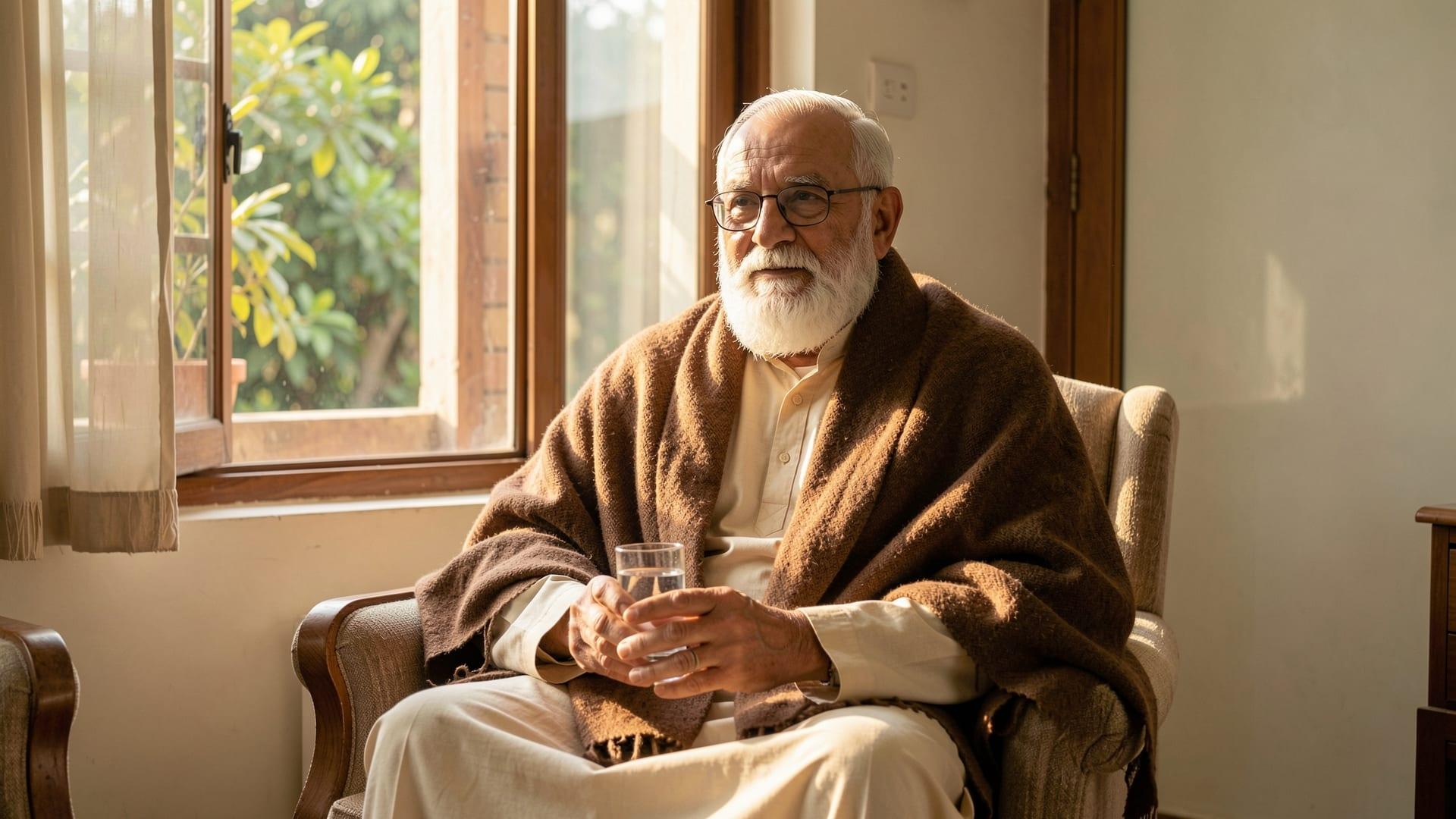
In many Lahore homes, winter is when Dada or Abbu settles into a chair in the sun with a shawl and a cup of tea, and stays there until the afternoon. It is a comfortable picture, and it is also how a lot of older people end up drinking far too little water for weeks at a time. Nobody notices, because nobody is thirsty. This post explains why older family members drink less in the cold, what to look out for, and the small changes at home that make it easier for them to keep drinking.
This is general information for families, not medical advice. Every person is different, and the doctor who knows your parent's health is the right person to ask about how much they should drink.
Why older people drink less, especially in winter
- Thirst weakens with age. Many older people simply do not feel thirsty until they are already short of water, so waiting for thirst does not work.
- Cold weather quietens thirst further. As our post on winter hydration explains, the body still loses water through breathing, dry heated rooms and layers of clothing, even when you feel no need to drink.
- Bathroom trips are a chore. In a cold house, at night, or for someone who finds stairs or getting up difficult, drinking less can feel like the easy answer.
- Water is hard to reach. A dispenser across the room, a jug that is too heavy to lift, or a 19 litre bottle that needs changing can all stand between an older person and a glass of water.
- Some medicines affect fluids. Water tablets and some other medicines change how much water the body loses. The doctor or pharmacist can say whether this applies.
- Memory. Someone who is a little forgetful may believe they have had a drink when they have not.
Early signs to watch for
- Dark yellow urine, or going to the toilet much less than usual.
- A dry mouth, dry lips or a dry, coated tongue.
- Tiredness, low energy or headaches.
- Feeling dizzy or light-headed on standing up.
- Constipation.
- New confusion, unusual drowsiness or a change in behaviour. In older people this can be a sign of not drinking enough, among other causes, and it always deserves attention.
These signs have many possible causes, so they do not prove someone is dehydrated. They are a reason to offer drinks and to keep an eye on things, and if they are severe or do not improve, a reason to call the doctor.
Simple habits that help
- Offer warm water. A cold glass on a foggy morning is easy to refuse. Warm water, or water that has been boiled and cooled until it is comfortable to sip, is far easier to keep drinking. A small flask of warm water beside their chair works well.
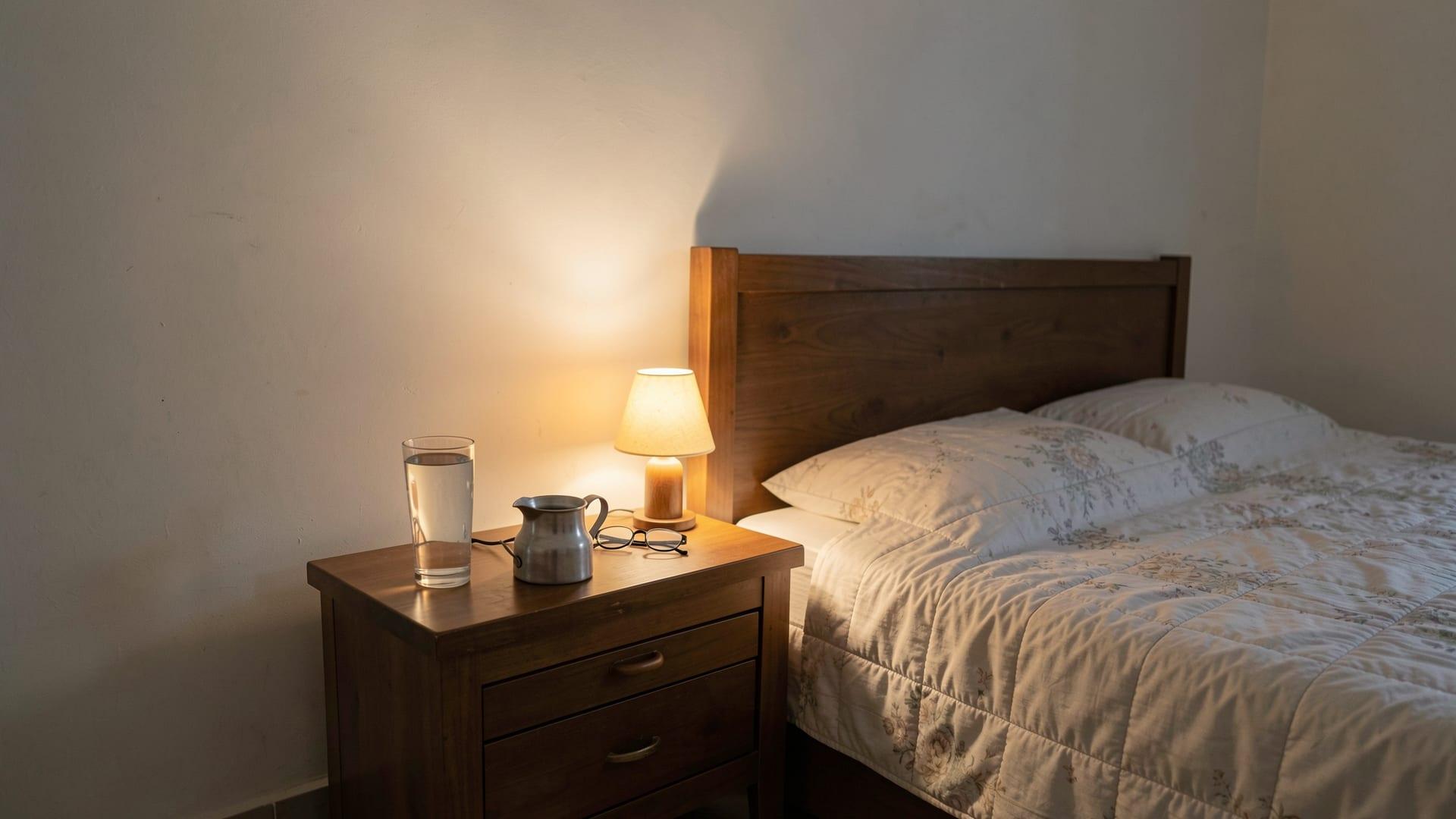
- Keep a glass or a small jug by the bed and by their usual chair, filled in the morning and topped up through the day.
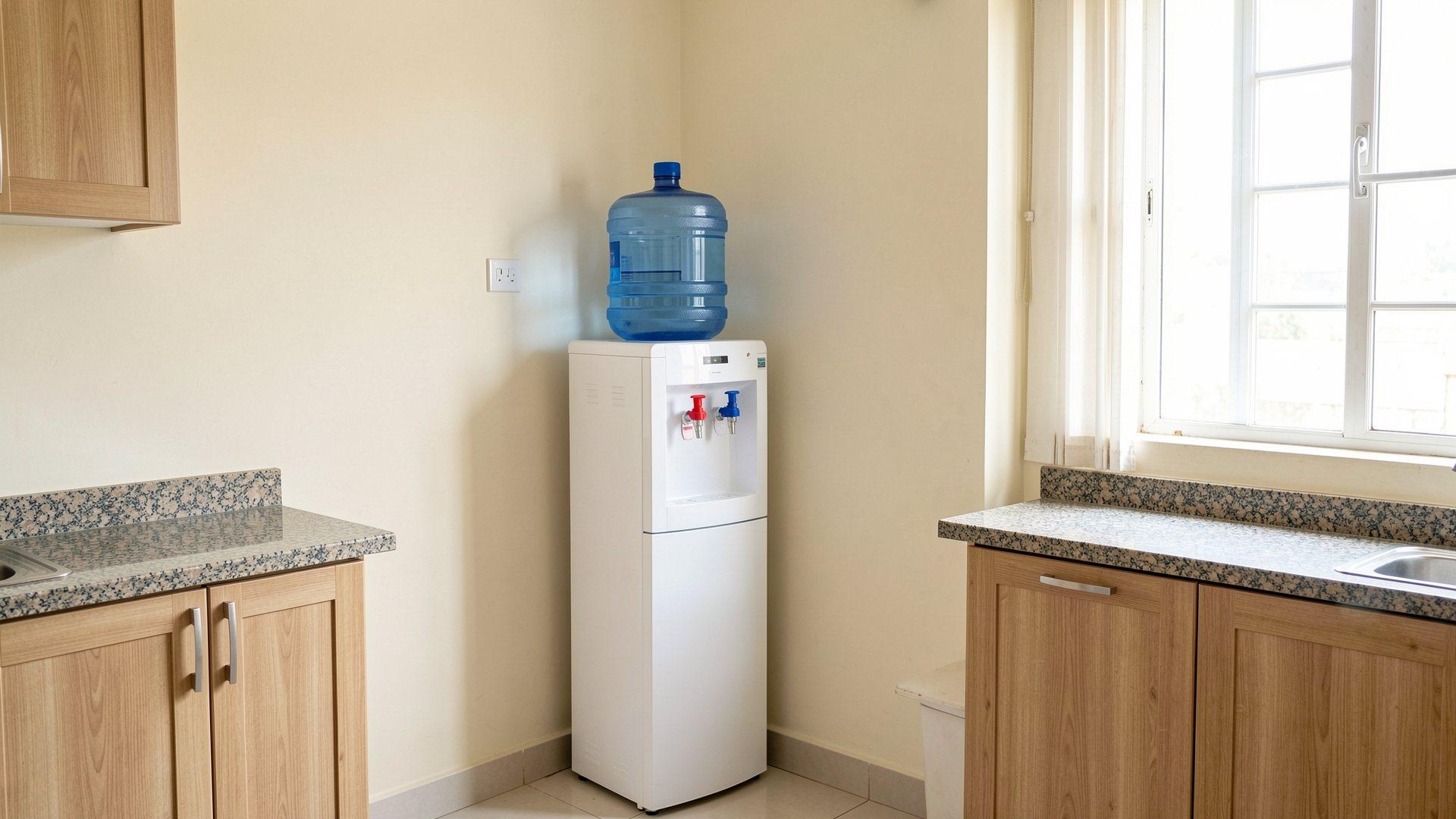
- Make the dispenser easy to reach. Put it where they spend their day, check they can work the tap comfortably, and make sure the cold or normal tap is the one they use. Hot taps can scald shaky hands, so use the safety lock if the dispenser has one.
- Never leave an older person to lift or change a 19 litre bottle. A full one holds about 19 kilograms of water. Change it for them before it runs out.
- Tie drinks to the day's routine: a glass with each medicine, with each meal, when the tea comes, or after each prayer for those who pray.
- Offer, do not ask. "Here is your water" works better than "Do you want some water?", which is easy to answer with no.
- Count the day's water. Fill a jug in the morning with what they should drink, and see how much is left by evening.
- Food counts too. Soups, daal, yoghurt and fruit such as oranges, kinnow and guava all add fluid.
Night-time and the bathroom
If worry about getting up at night is the reason your parent drinks so little, it may help to drink more in the morning and early afternoon and a little less in the hour or two before bed, rather than less overall. Keep the way to the bathroom lit and clear, because a fall in the dark is a bigger risk than a glass of water. If bladder problems are the real issue, mention it to the doctor; it is common and often helped.
When fluids need to be limited
Some people with heart failure, kidney disease or certain other conditions are told by their doctor to limit how much they drink. If that applies to your parent, the doctor's instructions come first. Do not push extra water on someone who has been told to restrict it, and ask the doctor what the right amount looks like in winter.
When to see a doctor
See a doctor if your parent has passed very little urine for a long time, cannot keep fluids down, has vomiting or diarrhoea, feels faint or dizzy, or has a fall. Get urgent medical help if they become confused, very drowsy or difficult to wake, or collapse. Do not wait to see whether more water fixes it.
The bottom line
An older person who is warm, comfortable and not thirsty can still be drinking far too little. Put water within reach, make it warm, offer it at set times, and watch for the signs. When in doubt, ask their doctor.
Frequently asked questions
- Why do elderly people drink less water in winter?
- Thirst tends to weaken with age, and cold weather quietens it further. Older people may also drink less to avoid getting up to the bathroom, or because water is hard to reach or a bottle too heavy to lift.
- What are the signs that an older person is not drinking enough?
- Dark urine or passing less urine, a dry mouth, tiredness, dizziness on standing, headaches and constipation. New confusion or unusual drowsiness can also be a sign in older people and should be checked by a doctor.
- Is warm water good for older people in winter?
- Warm water, at a temperature that is comfortable to sip, is often easier to keep drinking on a cold day than cold water. Make sure it is never hot enough to scald.
- How much water should my elderly parent drink?
- It depends on their health and medicines. Some people with heart or kidney conditions are told to limit fluids. Ask their doctor for the right amount, and follow that advice over any general rule.
- When should I take my parent to a doctor about dehydration?
- If they pass very little urine, cannot keep fluids down, have vomiting or diarrhoea, feel faint or fall. Get urgent help if they become confused, very drowsy or collapse.
Aabdar
Team
Lahore's bottled drinking water delivery service — founded 2026, PSQCA-certified, serving 5,000+ homes and offices across 12 areas of the city.
Comments & Discussion