
Table of Contents
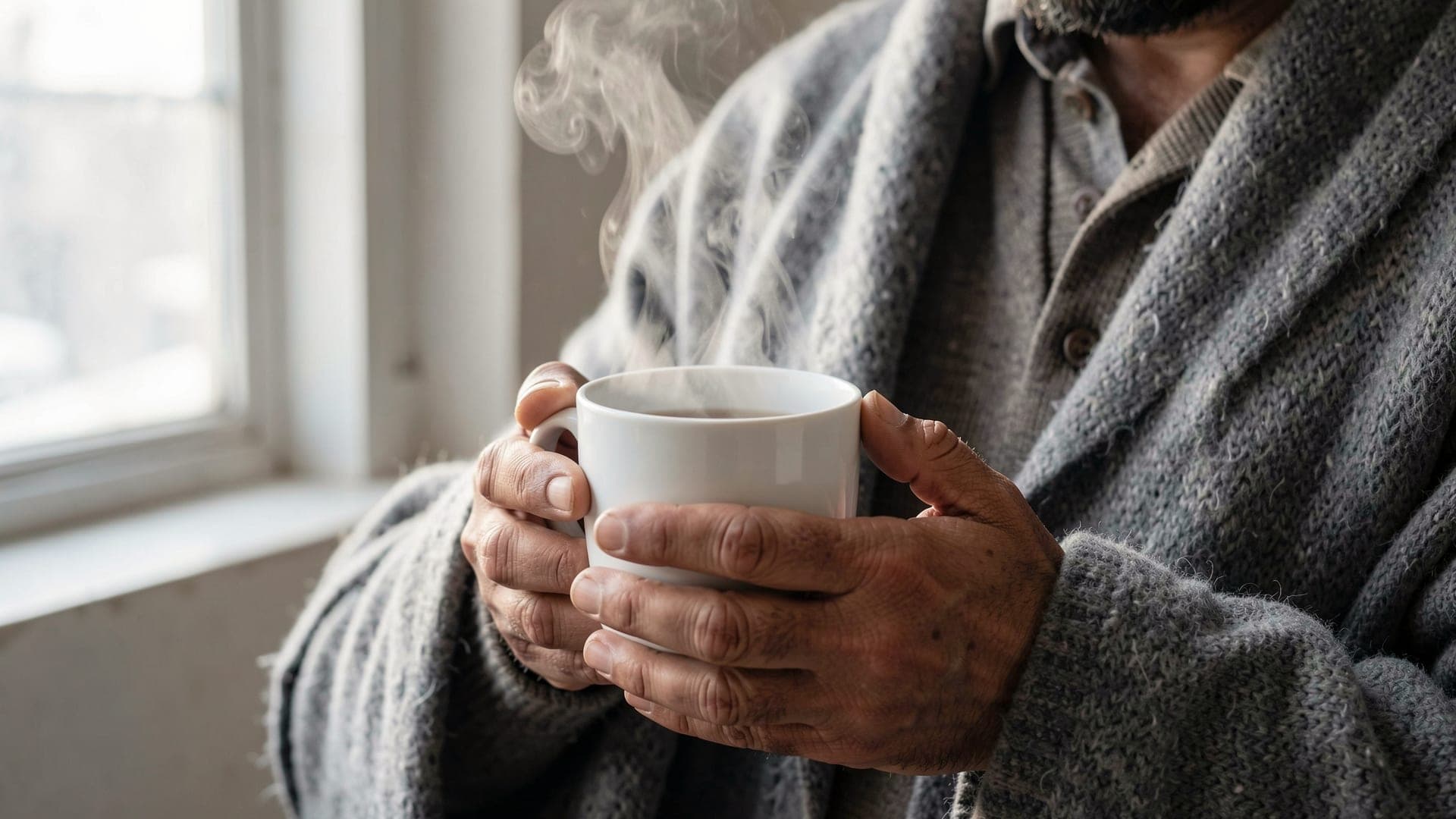
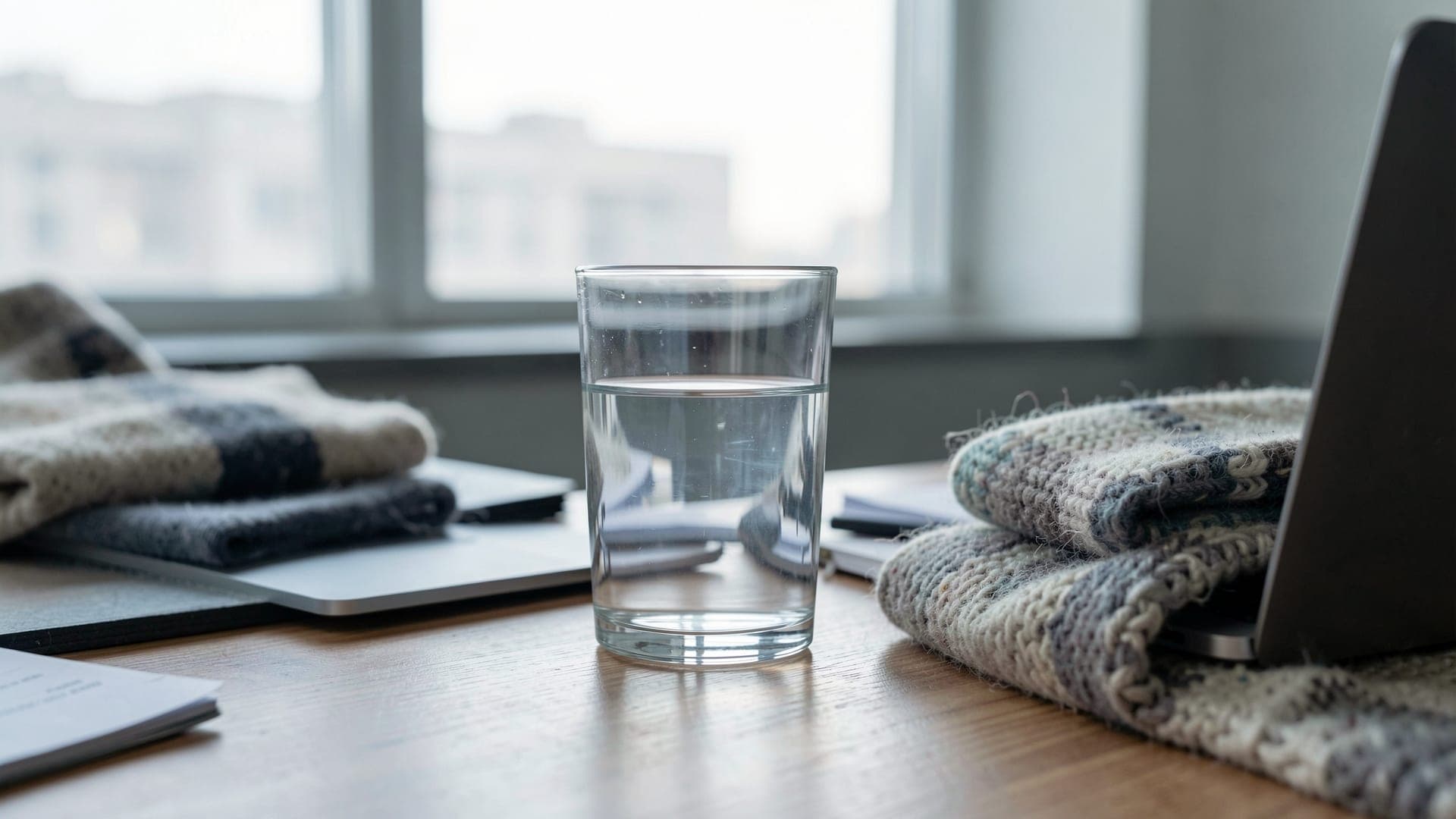
In July nobody in Lahore needs reminding to drink water. By November, as the nights turn cold and the smog and fog settle in, the glass can sit untouched on the desk for half a day. The shawl is on, the heater is running, and the thirst that was impossible to ignore in June has simply gone quiet. That does not mean the body has stopped needing water. It means the alarm that normally reminds you has become quieter, and winter is the season when many people end up quietly under-drinking.
Why you feel less thirsty in the cold
Thirst is partly a response to heat. In summer you sweat visibly, lose water quickly and feel it. In cold weather the body feels less urgency, and research on people in cold conditions has found that the urge to drink can be blunted. The water loss has not gone away. It has only become harder to notice.
Where the water goes in winter
- Breathing: every breath out carries moisture, and cold, dry air makes you lose more of it than humid air does.
- Sweat under layers: you wear more clothing, walk fast to keep warm, and the sweat dries inside the layers without you noticing.
- Heated rooms: gas heaters, electric heaters and closed windows dry the indoor air, and dry air draws moisture from the skin, lips and the lining of the nose and throat.
- More tea, less water: cups of chai through the afternoon mean you may feel full and warm and skip plain water altogether.
- Fewer reminders: you no longer carry a bottle or reach for a cold drink, so a drink does not cross your mind.
How much do you actually need?
There is no single number for everyone. As a general guide, most adults need roughly 2 to 3 litres of drinking water a day. In a Lahore summer that rises, and in winter it can sit toward the lower end, but it is not small. Cooking, tea and the water in food all add to it, and our post on how much water a household needs sets out the numbers.
This is general guidance, not medical advice. If you have a kidney or heart condition, or any other illness that affects how much you should drink, follow your doctor's advice over any rule of thumb.
Signs you are not drinking enough
- Dark yellow urine. Pale straw colour is what you are aiming for.
- A dry mouth, cracked lips or dry, tight skin.
- A headache, tiredness or trouble concentrating in the afternoon.
- Constipation.
- Feeling dizzy when you stand up quickly.
These signs have many causes, so they do not prove you are dehydrated. If they are severe or do not improve once you drink more, see a doctor.
Habits that work in cold weather
- Drink warm water. Cold water is the last thing you want on a foggy morning, and warm water, cooled enough to sip comfortably, is easier to keep drinking.
- Start the day with a glass. After a night without drinking, it is the simplest habit to build.
- Keep a glass or bottle where you work and refill it each time you get up.
- Link it to something you already do: a glass before each meal, and one when the chai arrives.
- Eat water too. Soups, daal, fruit such as oranges, kinnow and guava, and vegetables all add fluid.
- Do not rely on thirst. Look at the colour of your urine instead.
What about tea?
Tea and coffee do contribute to your fluids, and a few cups a day are fine for most people. They also contain caffeine, which some people find makes them need the toilet more or sleep less well. Plain water should still be the main thing you drink, with tea on top of it rather than in place of it.
Children and older people
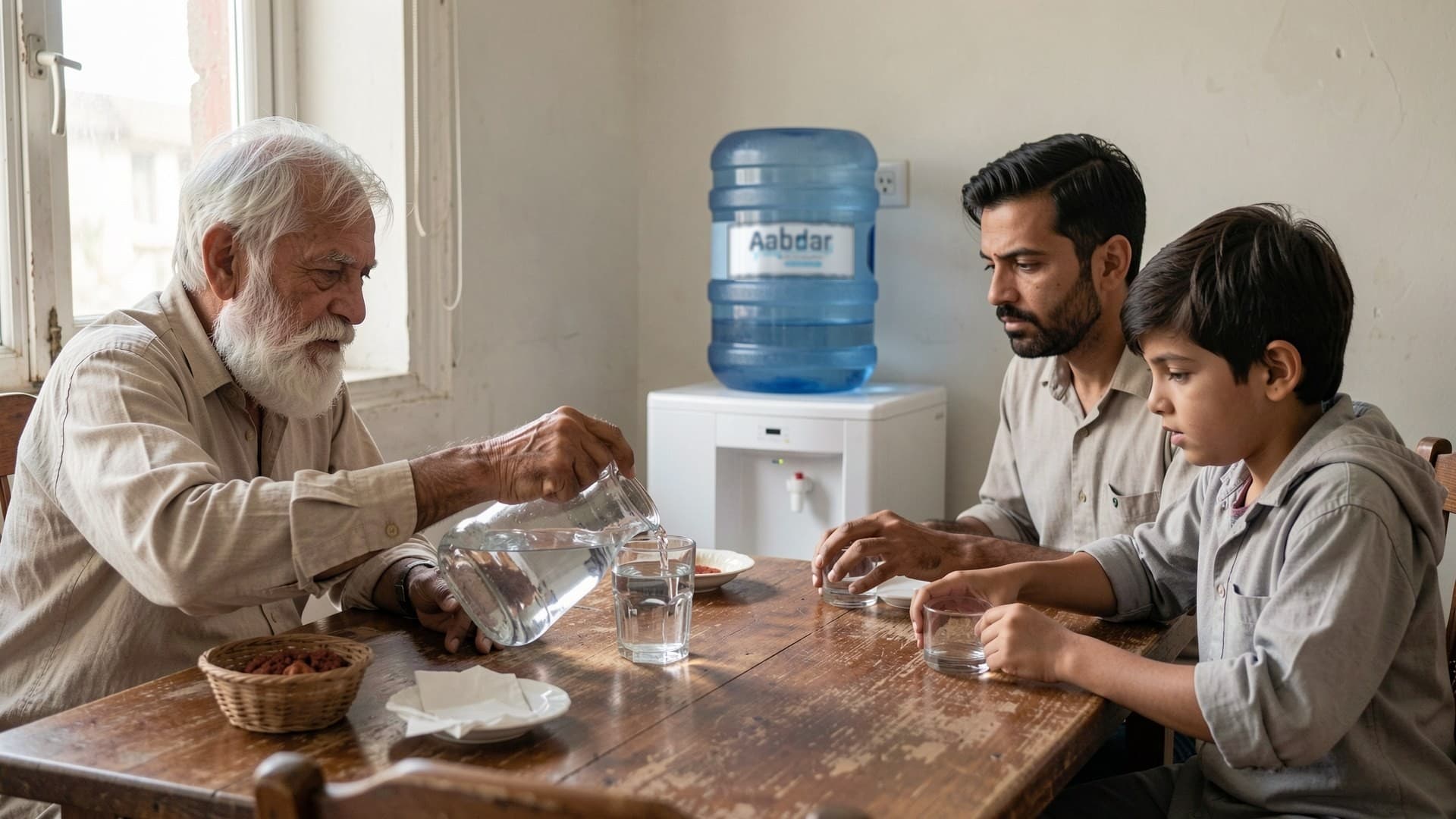
Children can get absorbed in play and go hours without a drink, and older people often feel thirst less strongly, so neither is a good judge of when to drink. A glass of water offered at set times works better than waiting to be asked. If a child or an older person is unwell, eating or drinking very little, or has vomiting or diarrhoea, see a doctor.
Smog days
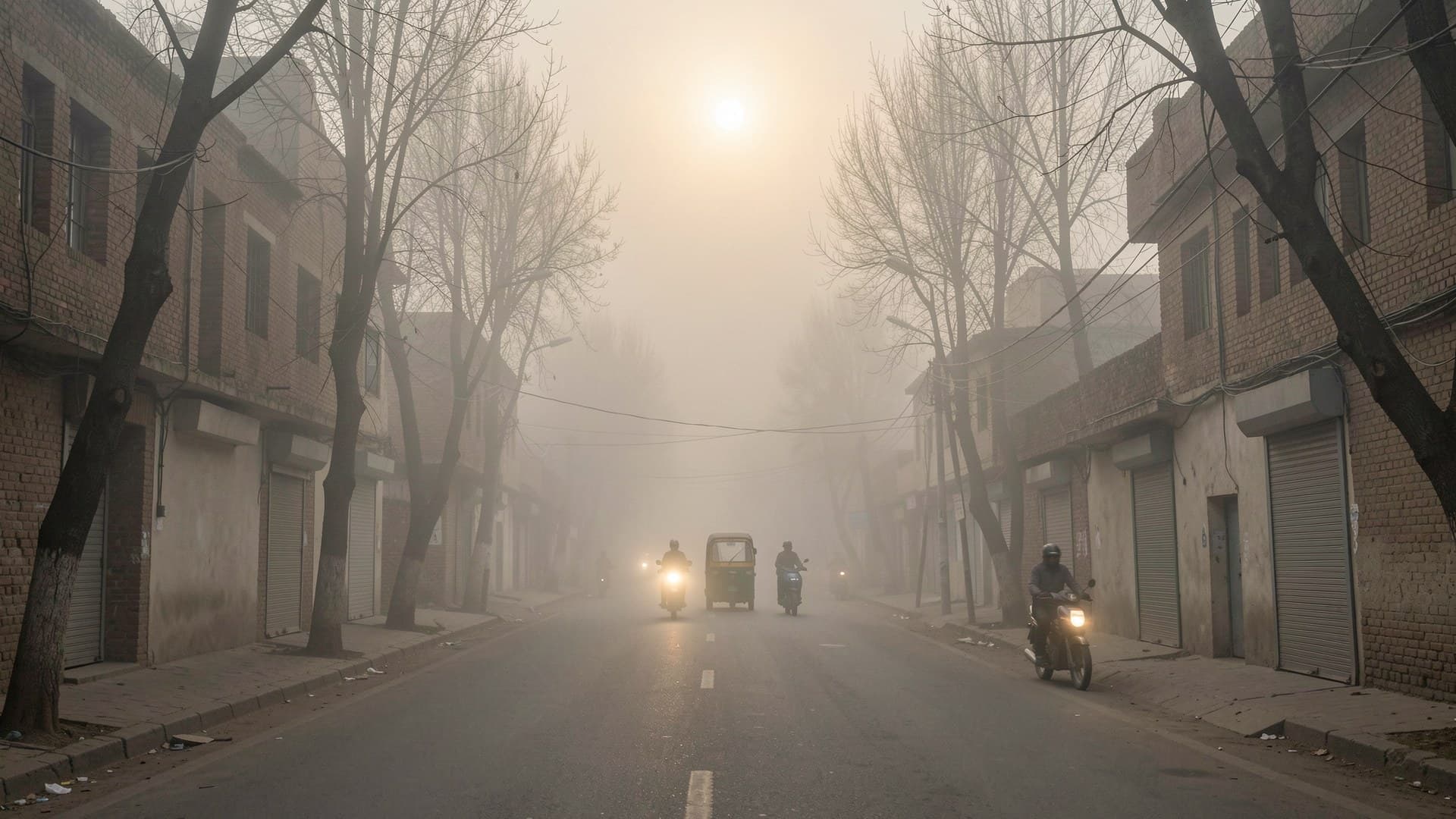
On days when the air is poor, many people stay indoors with the windows shut, and the habit of drinking can slip even further. Sipping water keeps the throat moist, which many people find comfortable when the air irritates it. Our guide to smog season covers this in detail.
The bottom line
You can feel perfectly comfortable in winter and still not be drinking enough. Do not wait for thirst. Put a glass in front of you, drink warm water through the day, eat some of your water, and check the colour of your urine. If something feels wrong, see a doctor.
Frequently asked questions
- Do I need to drink as much water in winter as in summer?
- A little less is usual, but not much. Most adults still need roughly 2 to 3 litres of drinking water a day. You lose water through breathing and dry indoor air even when you do not sweat much.
- Why do I feel less thirsty in cold weather?
- Thirst is partly a response to heat, and the body feels less urgency in the cold, so the signal can be blunted even though you are still losing water.
- How can I tell if I am drinking enough?
- Look at your urine. Pale straw colour is a good sign, and dark yellow suggests you need more fluid. Persistent symptoms deserve a visit to your doctor.
- Does tea count towards my daily water?
- Yes, it contributes to your fluids, but it also contains caffeine, so plain water should remain the main thing you drink.
- Is it safe to drink warm water in winter?
- Yes. Warm water, cooled enough to sip comfortably, is a good way to keep drinking in cold weather. Make sure it is not scalding.
Aabdar
Team
Lahore's bottled drinking water delivery service — founded 2026, PSQCA-certified, serving 5,000+ homes and offices across 12 areas of the city.
Comments & Discussion